Why This Sweet Handwritten Font Feels Like a Warm Hug for Your Designs
There’s a certain magic in a design that feels personal. You know the kind—the social media post that stops your scroll, the wedding invitation that makes you smile before you even read the words, the product packaging that feels like it was made just for you. More often than not, that feeling comes down to one powerful, yet subtle, element: the typography. A font can whisper, shout, or sing, and choosing the right one is like casting the perfect actor for a role. It sets the entire tone of your story. If your project’s story is one of warmth, friendliness, and approachable joy, then a typeface like the Lovely Day font might just be your leading star.
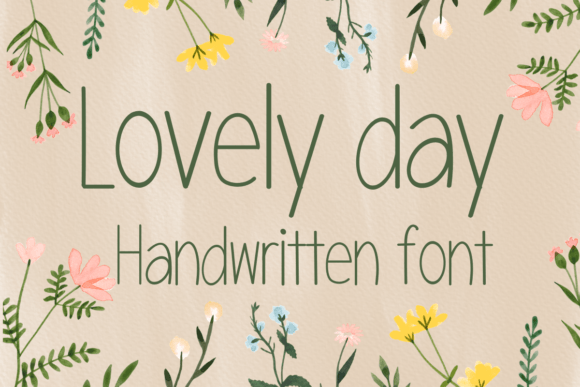
This isn't just another script font. Lovely Day is a sweet and friendly handwritten font that carries a distinct personality. Its charm lies in its authentic, hand-lettered feel—it’s cute and fun without being childish, playful yet legible. The letters have a natural, flowing rhythm with soft curves and just enough bounce to feel energetic and optimistic. It’s the kind of typeface that doesn’t just display words; it conveys an emotion. For designers, entrepreneurs, and creators, understanding this emotional resonance is the first step toward using it effectively. It’s less about the technicalities of kerning and more about the vibe it instantly injects into your work.
From Wedding Invites to Brand Identities: Where This Font Truly Shines
The real test of a great creative font is its versatility. Where does a personality-packed typeface like this fit best? Let’s move beyond the obvious and think about practical, real-world applications where its friendly demeanor can make a tangible difference.
Building a Brand with Heart: For small businesses, especially in the lifestyle, wellness, children’s, or artisanal food sectors, branding is about connection. Using a font like Lovely Day in your logo or primary brand typography can instantly communicate your values. Imagine a local bakery’s logo, a yoga studio’s class schedule, or a boutique clothing tag—this font tells customers you’re approachable, caring, and detail-oriented. It helps build brand recognition not just through a symbol, but through a consistent, friendly voice across all touchpoints.
Digital Spaces That Feel Human: In the realm of social media graphics and web design, standing out is key. This handwritten font is perfect for creating eye-catching Instagram Stories, Pinterest pins, or Facebook ads where you want to add a personal, human touch. It’s ideal for call-to-action buttons, quote graphics, or header text on a blog that aims to feel like a conversation with a friend. It breaks the monotony of standard sans serif fonts and can significantly boost audience engagement by making your digital presence feel more relatable and less corporate.
Tangible Items with a Personal Touch: This is where the font’s craft-inspired roots truly excel. Think about the last time you received a beautifully designed wedding invitation or a thank-you card. The typography played a huge role in that experience. Lovely Day is ideal for writing wedding invitations, greeting cards, and event stationery. But its use extends further—into packaging design for handmade goods, labels for artisan products, or even merchandise like tote bags and mugs where a fun, custom feel is paramount.
Pairing for Perfection: Making Your Typography Work Smarter
A font rarely works in complete isolation. The art of font pairing is crucial for creating professional, readable designs. The key is to create contrast and hierarchy. Because Lovely Day is a display or script font with a strong personality, it’s best used for headlines, short phrases, or accent text—not for long paragraphs of body copy.
A classic and effective strategy is to pair it with a clean, neutral sans serif font. This combination allows the handwritten font to provide the flair and emotion, while the sans serif ensures readability for smaller text like product descriptions, dates, or contact information. For a more sophisticated look, pairing it with a elegant serif font can create a beautiful balance between modern whimsy and classic structure, perfect for editorial layouts or upscale branding.
Practical Tip: Always test your pairings. Type out a mock-up of your actual content—a headline, a subhead, and a paragraph. Does the hierarchy feel clear? Is the overall mood cohesive? Does the handwritten font overwhelm the other elements, or do they complement each other? Viewing your design at a small size (like on a phone screen) is also a critical readability consideration to ensure nothing gets lost.
Beyond the Glyphs: Licensing and Stylistic Nuances
When you find a font you love, it’s easy to get swept up in its aesthetics. However, for any commercial project—from a client’s logo design to your own Etsy shop packaging—understanding the licensing is non-negotiable. A premium font like this typically comes with a license that outlines how it can be used. Always review the included license agreement carefully. Does it cover print-on-demand merchandise? Can it be embedded in digital products for sale? Knowing this upfront prevents legal headaches later and ensures you’re using this design asset responsibly.
Furthermore, take time to explore the full character set of the typeface. Many quality handwritten fonts include stylistic alternates, ligatures, and swashes. These are alternate versions of letters that can help you customize the look, avoid repetitive letter shapes, and create a more authentic, hand-lettered effect. For instance, you might find a more flourish-y capital "L" or a connecting "y" that flows better into the next letter. Experimenting with these OpenType features can elevate your design from simply using a font to truly crafting with it.
Ultimately, selecting a typeface is a strategic choice that blends art and function. A creative font like Lovely Day is more than a collection of letters; it’s a tool for visual communication. It can help improve the professional presentation of a small business, inject joy into a marketing campaign, and create a memorable brand identity that resonates on a human level. By applying it thoughtfully, pairing it wisely, and understanding its full potential, you transform typography from a background detail into the heartfelt centerpiece of your design. So, the next time your project needs a dose of authenticity and warmth, you’ll know exactly which friendly face to call upon.