Halowenly: A Fresh Handwritten Font for Modern Projects
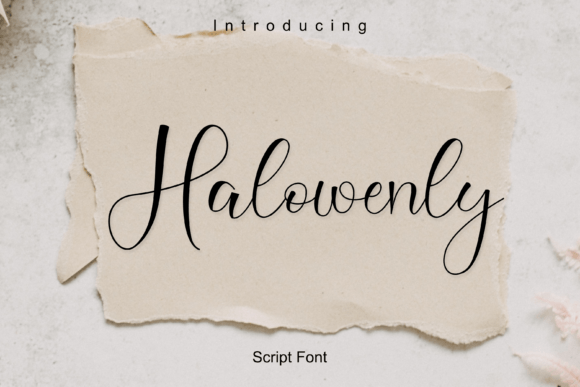
There's a certain magic in handwritten typography. It carries a human touch, an imperfect warmth that digital precision often strips away. When you find a font that captures that casual, approachable energy while remaining versatile enough for professional use, it becomes more than just a design asset—it becomes a creative partner. Halowenly is precisely that kind of typeface: a casual and fresh handwritten font that brings personality to any project without sacrificing clarity or style.
What sets this font apart isn't just its aesthetic appeal. It's the balance between playfulness and function. The letterforms flow naturally, with subtle variations that mimic real handwriting without looking messy or unprofessional. Each character feels intentional yet relaxed, making it suitable for everything from wedding invitations to social media campaigns. Whether you're a designer building a brand identity or a small business owner creating marketing materials, Halowenly offers that rare combination of charm and practicality.
Why Handwritten Fonts Resonate with Audiences
People connect with authenticity. In a world saturated with polished, corporate aesthetics, a handwritten font signals approachability and human presence. Think about the last time you received a handwritten note—it probably felt more personal than a typed message. Typography works similarly. A casual script font like Halowenly can soften a brand's voice, making it feel more relatable and trustworthy.
This doesn't mean handwritten fonts work everywhere. A law firm's annual report probably isn't the place for flowing script. But for brands targeting younger demographics, lifestyle products, creative services, or community-focused businesses, the right handwritten typeface can be transformative. It tells your audience that there are real people behind the logo, real stories behind the products.
Practical Applications Across Creative Projects
The versatility of Halowenly makes it a valuable addition to any designer's toolkit. Here's where it truly shines:
Branding and Logo Design — For businesses that want to convey warmth and approachability, a handwritten font can become the cornerstone of visual identity. Think boutique bakeries, artisan coffee shops, independent bookstores, or wellness brands. Halowenly's casual elegance works beautifully as a primary logo typeface or as a complementary element alongside a clean sans serif font.
Packaging Design — Product packaging needs to stand out on crowded shelves. A handwritten font adds tactile appeal, suggesting handmade quality and personal attention. Whether it's a candle label, a jam jar, or a cosmetics box, this typeface helps products feel curated rather than mass-produced.
Social Media Graphics — Instagram stories, Pinterest pins, and Facebook posts all benefit from typography that stops the scroll. Halowenly's distinctive character makes quotes, announcements, and promotional graphics feel more engaging. Pair it with a simple background and bold colors for maximum impact.
Website and Blog Design — While body text should prioritize readability with a clean serif or sans serif font, headings and featured quotes can use a handwritten style to add visual interest. This approach creates hierarchy and guides the reader's eye through your content.
Print Materials and Invitations — Wedding invitations, event flyers, greeting cards, and thank-you notes are natural homes for handwritten typography. The font's casual sophistication elevates these pieces without making them feel overly formal.
Merchandise and Editorial Layouts — Tote bags, mugs, t-shirts, and magazine layouts all benefit from typefaces that feel personal and distinctive. A creative font like Halowenly helps merchandise stand out and gives editorial spreads a curated, artisanal quality.
Pairing Halowenly with Other Typefaces
One of the most practical skills in design is knowing how to combine fonts effectively. Handwritten typefaces work best when balanced with something more structured. Here are a few pairing strategies:
- With a geometric sans serif — Fonts like Montserrat, Poppins, or Futura provide clean contrast. Use Halowenly for headlines and the sans serif for body text. This combination feels modern and approachable.
- With a classic serif — Pairing handwritten fonts with traditional serifs like Georgia or Playfair Display creates an elegant tension. The serif grounds the design while the script adds personality.
- With a slab serif — For a more rugged, artisanal aesthetic, combine Halowenly with a slab serif typeface. This works well for brands in the food, outdoor, or craft industries.
The key is contrast. Avoid pairing two handwritten fonts together, as they'll compete for attention. Instead, let Halowenly be the star while supporting typefaces handle the informational heavy lifting.
Readability Considerations for Real-World Use
Beautiful typography means nothing if people can't read it. Handwritten fonts require extra attention to legibility, especially at smaller sizes. Here are practical guidelines:
- Size matters — Use Halowenly at larger sizes for headings, titles, and display text. At small sizes, the handwritten details may become difficult to parse. For body copy, stick with a more traditional typeface.
- Spacing and alignment — Handwritten fonts often benefit from slightly increased letter-spacing. Test different values to find the sweet spot between readability and character.
- Color contrast — Ensure sufficient contrast between text and background. Light gray script on a white background will disappear. Dark text on light backgrounds—or reversed out on bold colors—works best.
- Context testing — Always preview your typography in its final environment. A font that looks perfect on your desktop screen might feel cramped on a mobile device or illegible on a printed label.
Building Visual Consistency Across Touchpoints
Strong brands maintain consistent typography across every customer interaction. When you choose Halowenly as part of your brand identity, commit to using it strategically and consistently. Define specific use cases—perhaps it appears only on social media graphics, product packaging headers, and email newsletter titles—while a complementary typeface handles everything else.
This disciplined approach prevents your visual identity from feeling scattered. Customers begin to associate the handwritten style with your brand, building recognition over time. That recognition compounds into trust, and trust drives engagement and loyalty.
Before finalizing any font choice, review the complete character set. Check for the glyphs you need: uppercase and lowercase letters, numbers, punctuation, and any special characters relevant to your audience. If your brand serves international markets, verify language support for the scripts you'll need.
Commercial Licensing and Professional Use
If you're using Halowenly for client work, merchandise, or commercial projects, licensing matters. Most premium fonts come with specific terms outlining how the typeface can be used. Some licenses cover desktop use only, while others include web fonts, app embedding, and merchandise rights. Always review the license agreement before purchasing to ensure it covers your intended applications.
For designers working with multiple clients, an extended commercial license often provides the best value. It protects both you and your clients while ensuring the font creator receives fair compensation for their work. Respecting licensing terms isn't just legal compliance—it supports the creative community that produces the design assets we rely on.
Finding the right typeface is a bit like finding the right collaborator. It should complement your vision, adapt to different contexts, and consistently deliver quality results. Halowenly's casual warmth and fresh character make it a font worth exploring for anyone who wants their designs to feel human, approachable, and unmistakably memorable. Take time to experiment with it across different projects, test pairings thoughtfully, and let its personality enhance the stories you're already telling through your work.