Blue Beach: The Handwritten Font That Brings Authenticity to Your Work
There’s a certain feeling you get from a hand-lettered sign or a note scrawled in a personal journal. It’s human, imperfect, and full of character. In a digital landscape often dominated by sterile, geometric sans-serifs, finding a typeface that captures that organic warmth can transform a project from merely functional to genuinely memorable. This is where a resource like Blue Beach enters the conversation. It’s not just another script font; it’s a tool designed to inject a sense of natural, handcrafted appeal into a wide array of creative endeavors, from the logotype on a startup’s website to the headline of an indie music poster.
Understanding the Personality of This Creative Font
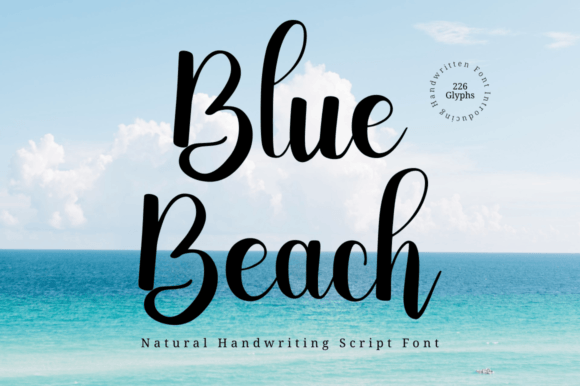
Blue Beach is a beautiful and natural handwritten font. Its visual appeal lies in its balanced imperfections. The letterforms flow with a consistent, readable rhythm, avoiding the chaotic, overly casual look that can render some script fonts illegible at smaller sizes. Each character feels like it was penned with a confident, slightly textured brush stroke, giving it depth and movement. This isn't a font that mimics frantic cursive; it offers a more poised and versatile personality. It can feel playful and approachable for a children's brand, yet sophisticated and artisanal for a specialty coffee shop or a boutique skincare line. The key is its adaptability—it provides the authenticity of a hand-drawn element without sacrificing clarity.
For designers, this typeface serves as a bridge between raw creativity and professional execution. When you need to evoke a personal touch for a wedding invitation suite, a sense of adventure for a travel blog, or the gritty authenticity of a garage band’s merchandise, Blue Beach delivers. It’s a premium font in the sense that it’s crafted with attention to detail, offering the kind of nuanced character that free fonts often lack. The included styles and glyphs are worth exploring, as they can provide alternates that add further customization to your work, ensuring your final design feels unique.
Practical Applications Across Industries
The true test of any creative font is its versatility. Blue Beach finds its home in numerous contexts, proving its worth as a valuable design asset. Consider its role in brand identity. For a small business, a logo is the cornerstone of recognition. Using a distinctive display font like Blue Beach for a logotype can immediately communicate brand values—whether that’s handmade quality, coastal vibes, or creative energy. It pairs exceptionally well with clean sans-serif fonts for body text, creating a visual hierarchy that is both engaging and easy to read.
Beyond logos, its applications are extensive:
- Packaging Design: Imagine this font on a label for artisanal jams, craft beer, or organic teas. It tells a story of care and craftsmanship before the product is even tried.
- Social Media & Digital Marketing: In the fast-scroll world of Instagram and YouTube, a striking headline is crucial. Blue Beach can make quotes, announcements, and video titles pop with personality, boosting audience engagement. It’s equally effective for creating cohesive templates for Instagram Stories or Pinterest graphics.
- Editorial & Print Layouts: From magazine feature headlines to chapter titles in a self-published book, it adds a touch of editorial design flair. It can break the monotony of standard serif and sans-serif layouts, guiding the reader’s eye to key sections.
- Web Design & Blogs: Used judiciously—for site headers, pull quotes, or navigation elements—a handwritten font can soften a digital interface, making a website feel more welcoming and less corporate. This is a key consideration for bloggers and content creators building a personal brand.
- Merchandise & Apparel: The font’s natural style translates perfectly to t-shirt designs, tote bags, and posters, especially for brands in the music, outdoor, or lifestyle spaces.
Making It Work: Practical Typography Advice
Adopting a new typeface is more than just a visual choice; it’s a strategic decision. To use Blue Beach effectively, start by aligning it with your project’s core message. Is your goal to appear friendly, luxurious, rustic, or energetic? Test it in context. Create mockups of your logo on a business card, your headline on a website homepage, or your packaging on a shelf. This real-world testing is non-negotiable for assessing readability and impact.
Font pairing is another critical skill. A common and effective strategy is to combine a distinctive display or script font like Blue Beach with a highly legible, neutral sans-serif (such as Open Sans, Lato, or Montserrat) for longer paragraphs of text. This creates a pleasing contrast where the handwritten font draws attention for key messages, and the sans-serif ensures body copy remains crystal clear. Avoid pairing it with another overly decorative font, as this often leads to visual clutter.
Always consider the medium. For digital screens, ensure the font size is large enough to maintain clarity, especially on mobile devices. For print, check the kerning and leading in your final layout. Furthermore, if your project is commercial, double-check the licensing terms included with the font. Most premium fonts come with a license that covers a wide range of uses, from websites to merchandise, but it’s essential to verify this for your specific needs to avoid legal issues down the line.
A Final Thought on Choosing Your Tools
Ultimately, the fonts you choose are silent ambassadors for your message. They set a tone, evoke emotion, and contribute significantly to how your audience perceives your work. Blue Beach offers a specific and valuable voice—one of natural elegance and human touch. It’s a reminder that in our quest for polished, professional design, there’s immense power in elements that feel handcrafted and real. By thoughtfully integrating a typeface like this, you’re not just selecting letters; you’re curating an experience and building a stronger, more authentic visual connection with your audience.